


Asset Tokenization in 2026: Blockchain's Friendly Move to the Mainstream

Blockchain news in 2026 is less about hype and more about plumbing, and the star of the show is asset tokenization. In plain terms, asset tokenization means representing ownership of something real, like a bond, a fund, or even gold, as a digital token that lives on a blockchain. After years of pilots, big banks and asset managers are finally putting these ideas into production. Here is a friendly guide to why asset tokenization is having its breakout moment.
What asset tokenization actually is
Asset tokenization converts ownership of a real-world asset into a programmable token that can be tracked, traded, and settled on blockchain rails. The appeal is practical: faster settlement, fractional ownership, around-the-clock trading, and greater transparency. It can make traditionally hard-to-trade assets far easier to buy and sell.
Stablecoins, which are tokens pegged to the U.S. dollar, proved the model first. With that foundation in place, the industry is now extending asset tokenization to treasuries, money-market funds, private credit, equities, and commodities.
Who is driving the asset tokenization wave
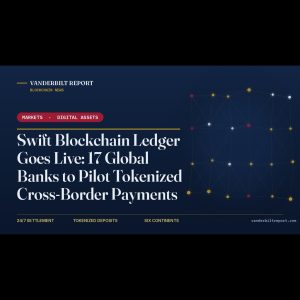
This is no longer a fringe experiment. Financial giants including BlackRock, JPMorgan, and BNY are deeply involved. JPMorgan issued its USD deposit token on a public blockchain, and Citi rolled out token services for real-time, around-the-clock cross-border payments. BlackRock's tokenized fund, BUIDL, is frequently cited as a flagship example.
Clearer rules are helping. In the United States, the GENIUS Act created a federal framework requiring stablecoins to be fully reserved, while the Clarity Act is expected to define how digital assets are regulated. Industry forecasts vary, but analysts see the tokenized real-world asset market growing rapidly, with some projecting it could surpass $100 billion.
Why asset tokenization matters to everyday investors
For investors, asset tokenization could expand access to markets that were once reserved for large institutions and unlock new liquidity. It does not replace banks, brokers, or custodians overnight; instead, it gradually makes parts of the financial system more programmable. As regulation matures and interoperability improves, asset tokenization is shifting blockchain from speculation toward genuine financial infrastructure.
| Category | Example | Status in 2026 |
|---|---|---|
| Stablecoins | Dollar-pegged tokens | Operating at scale |
| Tokenized treasuries/funds | BlackRock BUIDL | Growing institutional adoption |
| Bank deposit tokens | JPMorgan USD deposit token | Live on public blockchain |
| Regulatory framework | GENIUS Act; Clarity Act | Established / in progress |
Disclaimer: This article is published by Vanderbiltreport.com for general informational purposes only. It summarizes publicly reported developments as of June 2026 and does not constitute professional, financial, legal, medical, or investment advice. Figures and events can change rapidly; readers should verify details with the linked primary sources before acting on any information. Vanderbiltreport.com is not liable for decisions made based on this content.