



US News

If your news feed has felt heavy lately, here is a development worth understanding. The reported Strait of Hormuz deal has quickly become the top U.S. headline, and for good reason: the narrow waterway in the Middle East carries a huge share of the world’s seaborne oil, so when it reopens, American wallets feel it almost immediately. In this friendly explainer, we break down what the Strait of Hormuz deal actually involves, why it rattled energy markets, and what it could mean for the prices you pay at the pump and in your investment accounts.
Why the Strait of Hormuz deal matters to the U.S.
The Strait of Hormuz is a roughly 21-mile-wide chokepoint between Iran and the Arabian Peninsula. Before the conflict that began in late February 2026, around 20 million barrels of oil per day moved through it. When tanker traffic slowed to a trickle, the world faced one of the largest oil supply disruptions on record, and U.S. drivers watched gasoline climb past $4 a gallon in many regions.
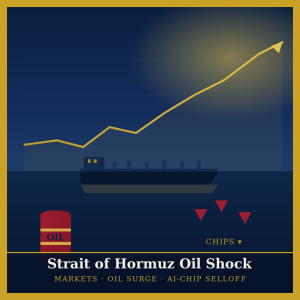
That is why news of a Strait of Hormuz deal landed so loudly. President Trump posted that the waterway would reopen after an agreement was signed, and oil prices had already fallen sharply on Thursday and Friday in anticipation of a settlement. For households, a reopened strait points toward cheaper fuel and calmer markets.
How markets reacted to the news
Energy traders move fast on geopolitical signals, and the prospect of the deal pulled crude prices lower well before any ceremony. Lower oil generally filters into lower gasoline, cheaper shipping, and softer inflation pressure over time, which matters as the Federal Reserve weighs its next interest-rate move.
Of course, a single announcement is not the same as fully restored shipping. Analysts caution that flows can take weeks to normalize, and any renewed tension could reverse the relief just as quickly as it arrived.
What to watch next
Keep an eye on confirmed tanker movements through the strait, the size and durability of any agreement, and how quickly U.S. pump prices follow crude lower. Domestic production, currently near record highs, also cushions the blow when global supply tightens. For most Americans, the practical takeaway is simple: a durable Strait of Hormuz deal tends to mean steadier prices and a little more breathing room in the monthly budget.
| Indicator | Before the conflict | During disruption |
|---|---|---|
| Oil flow through the strait | ~20 million barrels/day | Reduced to a trickle |
| U.S. retail gasoline | Under $4/gallon | Topped $4/gallon in many areas |
| Conflict start | — | Late February 2026 |
| Market direction on deal news | — | Crude prices fell sharply |
Disclaimer: This article is published by Vanderbiltreport.com for general informational purposes only. It summarizes publicly reported developments as of June 2026 and does not constitute professional, financial, legal, medical, or investment advice. Figures and events can change rapidly; readers should verify details with the linked primary sources before acting on any information. Vanderbiltreport.com is not liable for decisions made based on this content.