





The AI Infrastructure Bottleneck Nvidia Can’t Solve

Nvidia posted $46.7 billion in Q2 2025 revenue, beating analyst estimates of $46.06 billion by a comfortable margin. Revenue surged 56% year-over-year. The company projected continued growth above 50% for the next quarter.
“Forty-six billion in revenue couldn’t save the stock.”
Yet shares declined in after-hours trading.
The disconnect reveals something crucial about how AI infrastructure markets have evolved. Success metrics that once guaranteed stock rallies now face scrutiny at granular levels. Investors aren’t just looking at headline numbers anymore.
The Data Center Problem

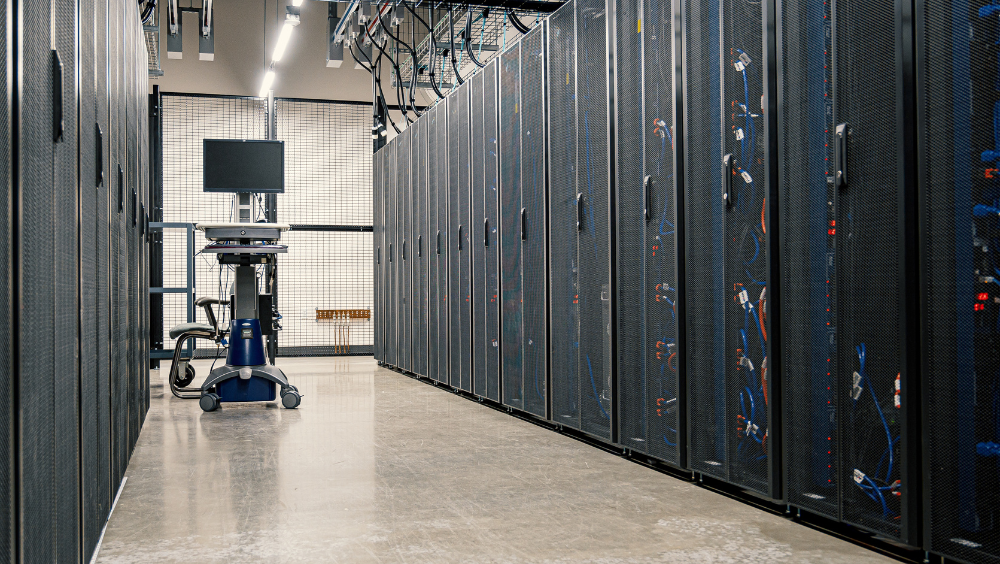
Data center revenue fell short of market expectations for the second consecutive quarter. This segment drives Nvidia’s AI infrastructure dominance, making any shortfall significant regardless of overall performance.
The miss signals potential saturation in certain customer segments. Or shifting demand patterns that haven’t fully materialized in revenue yet.
What makes this particularly telling is the customer composition driving these numbers.
Cloud service providers account for over 50% of Nvidia’s data center revenue. These hyperscalers represent approximately $15.23 billion in Q3 revenue alone. Their purchasing decisions directly impact Nvidia’s quarterly performance.
The Cloud Provider Dependency
This concentration creates both opportunity and vulnerability.
Cloud giants like Amazon, Microsoft, and Google have massive capital deployment capabilities. They’re building infrastructure at unprecedented scale. But their purchasing cycles don’t always align with quarterly earnings expectations.
Nvidia’s pitch to these providers centers on return potential. The company suggests that $1 invested in Nvidia compute and networking can generate $5 in cloud service provider revenue over four years.
That’s a compelling value proposition when it materializes.
The challenge lies in timing. Cloud providers make infrastructure decisions based on long-term capacity planning, not quarterly revenue optimization. Their procurement cycles can create revenue volatility that doesn’t reflect underlying demand strength.
The Trillion-Dollar Projection
CFO Colette Kress offered investors a longer-term perspective during the earnings call. She projected $3 to $4 trillion in AI infrastructure spending by the decade’s end.
CEO Jensen Huang characterized this as a “new industrial revolution.” The language suggests fundamental economic transformation rather than cyclical technology adoption.
These projections dwarf current market size. They imply sustained growth opportunities that extend far beyond quarterly fluctuations. But they also raise questions about market development timelines and competitive dynamics.
If the infrastructure spending materializes as projected, current revenue shortfalls become temporary noise. If spending patterns shift or competition intensifies, the projections become more aspirational than predictive.
Market Maturation Signals
The earnings reaction reflects broader changes in AI infrastructure market analysis.
Early-stage technology markets often reward pure growth metrics. Companies beating revenue expectations typically see stock appreciation regardless of segment-level performance. Investors focus on total addressable market expansion and competitive positioning.
Mature markets demand more nuanced performance evaluation. Investors analyze customer concentration, segment-specific growth rates, and competitive pressure points. They scrutinize guidance accuracy and demand visibility.
Nvidia’s earnings reaction suggests the AI infrastructure market is transitioning between these phases. The company still commands premium valuations and growth expectations. But investors now apply more sophisticated analytical frameworks to quarterly results.
The Capacity Reality
CEO Huang revealed another market dynamic during the earnings discussion. Major cloud service providers have “basically none” GPU capacity available. They’re renting existing capacity to model developers and startup companies.
This capacity constraint should theoretically drive continued demand for Nvidia’s products. Companies need infrastructure to build and deploy AI applications. Limited availability creates pricing power and revenue visibility.
Yet the data center revenue shortfall persists despite apparent supply-demand imbalances.
The disconnect might reflect procurement lead times, budget allocation cycles, or shifting customer priorities. It could also indicate that capacity constraints are driving customers toward alternative solutions or deployment strategies.
Blockchain Infrastructure Alternatives
The capacity constraints and bandwidth limitations plaguing traditional AI infrastructure have created opportunities for alternative approaches. Companies are exploring decentralized solutions that could reduce dependency on centralized cloud providers.
Qubitera Holdings, a subsidiary of Full Alliance Group Inc. (OTC: FAGI), represents one such alternative approach. The company’s Quant Blockchain focuses on enterprise-grade infrastructure that could alleviate some bandwidth bottlenecks through decentralized processing.
Their cross-chain architecture supports multiple blockchain networks including Ethereum, Bitcoin, and Solana. This interoperability could reduce the computational load on any single infrastructure provider by distributing processing across multiple chains.
The Quant Blockchain’s design for healthcare applications demonstrates how specialized blockchain infrastructure might handle data-intensive AI workloads more efficiently than general-purpose cloud services. HIPAA-compliant data exchange and automated smart contract processing could reduce the bandwidth requirements that currently strain traditional data centers.
While still in development phases, these decentralized infrastructure approaches highlight how market participants are responding to the capacity constraints that cloud providers face. The YAHBEE Wallet’s cross-chain payment system exemplifies how blockchain solutions can integrate multiple networks without requiring the massive centralized infrastructure that drives current GPU demand.
Looking Forward
Nvidia’s earnings paradox illuminates the complexity of AI infrastructure market dynamics.
The company continues generating massive revenue growth and maintaining technological leadership. Customer demand appears robust based on capacity constraints and long-term spending projections. The fundamental business trajectory remains strong.
But quarterly performance now faces granular scrutiny that wasn’t present during earlier growth phases. Investors want segment-level visibility, customer concentration analysis, and competitive positioning updates.
This evolution reflects market maturation rather than business deterioration. As AI infrastructure becomes more critical to enterprise operations, investment analysis becomes more sophisticated.
The question isn’t whether Nvidia can continue growing. The question is whether growth patterns will align with increasingly precise investor expectations across multiple business segments and customer categories.
That’s a harder standard to meet consistently. But it’s also the standard that defines mature, valuable technology markets.