
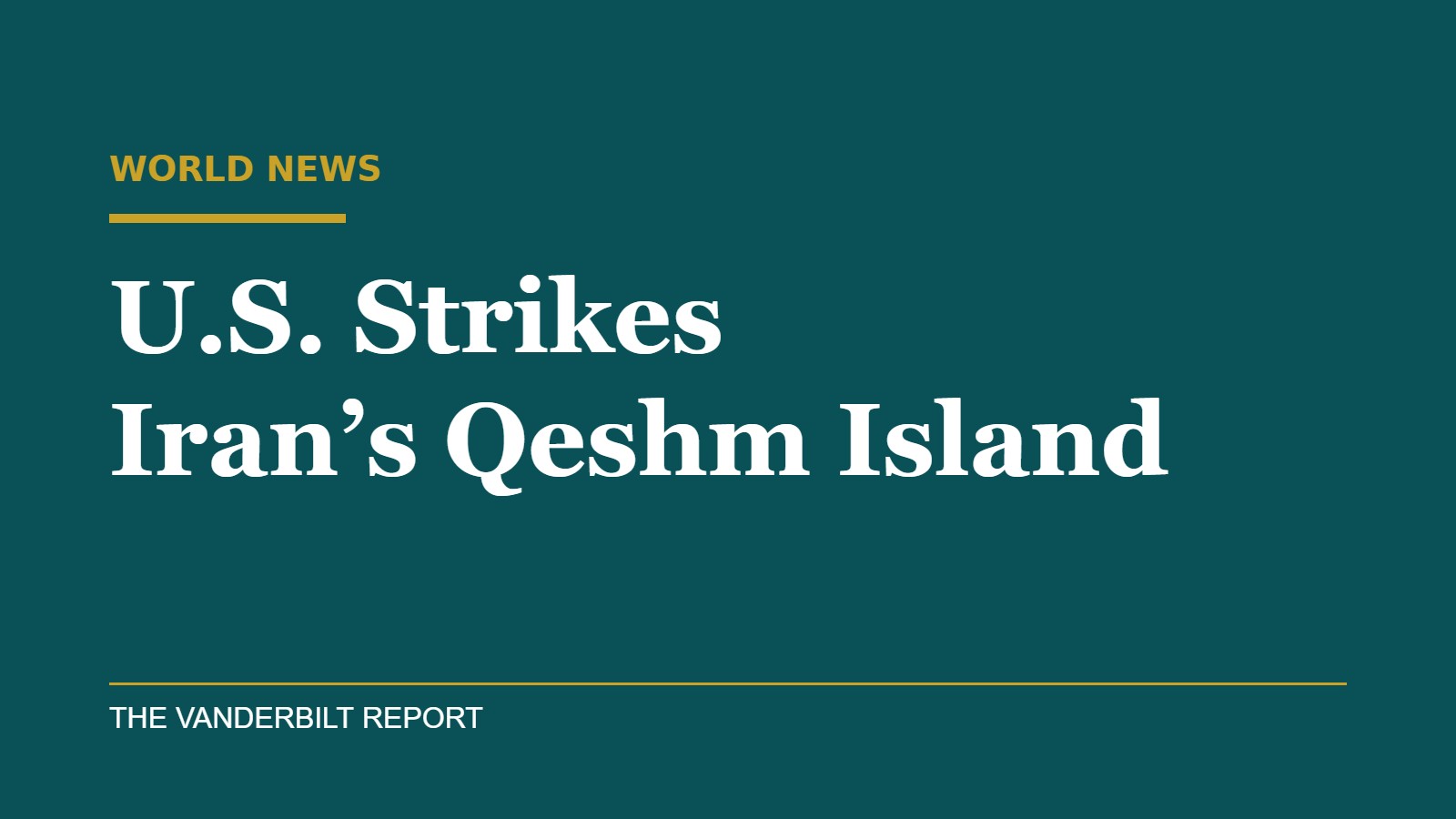
U.S. Strikes on Iran’s Qeshm Island: What We Know as Tehran Offers to Reopen Hormuz in Two Days


The U.S. strikes on Iran’s Qeshm Island on Monday, Nov. 2, 2026, have put the Strait of Hormuz back at the center of world attention just as Washington and Tehran signal that a negotiated settlement may be within reach. U.S. officials described the strikes as limited and “defensive,” while Iran said it could reopen the strait within two days if its conditions are met. Here is what is known, who is involved, and what to watch next.
What Happened on Qeshm Island
Reported facts, with attribution:
- When: Monday, Nov. 2, 2026. Iranian state media (IRNA) reported several explosions on Qeshm Island the same day, according to The Times of Israel and Gulf News.
- Where: Qeshm, Iran’s largest island, sits in the Strait of Hormuz, the narrow waterway that links the Persian Gulf to the open sea.
- Why, per U.S. officials: Two U.S. officials told ABC News the strikes responded to an Iranian attack on a U.S. aircraft. Another official cited by The Times of Israel said Iranian forces were using surface-to-air missiles against U.S. assets.
- Scale: Officials said the strikes do not signal a resumption of major combat operations. ABC News described them as the latest of several limited U.S. strikes in recent weeks.
- Casualties: None had been reported, and there was no independent confirmation of the targets or damage.
Competing Claims
Iran’s Islamic Revolutionary Guard Corps (IRGC) claimed it downed and captured a U.S. MQM-170 drone near Qeshm, according to Gulf News. U.S. Central Command (CENTCOM) dismissed that claim as false. Neither side’s claims about damage or losses could be independently verified.
U.S.–Iran Talks and Iran’s “Two-Day” Hormuz Plan
The strikes came during active diplomacy. Key positions, as reported:
| Who | Position (as reported) |
|---|---|
| President Donald Trump | Wrote on Truth Social that “Iran wants a settlement, as soon as possible.” In a Fox News interview he also said the U.S. “might have to go after Pickaxe,” a suspected nuclear site near Natanz (ABC News). |
| Vice President JD Vance | Said he and the president “feel pretty good about the prospects for potentially coming to a negotiated settlement.” |
| Iranian senior official (to Reuters) | Tehran is ready to reopen Hormuz within two days, but only if Washington accepts its demands; nuclear talks would follow. |
| Iran Foreign Ministry spokesman Esmaeil Baqaei | Said the strait “cannot be reopened or safe, unless the U.S. naval blockade ends” (ABC News). |
| Iran chief negotiator Mohammad Bagher Ghalibaf | “The ball is now in America’s court to prevent war” (Times of Israel). |
Iran’s long-standing demands, laid out in a September proposal, include ending the war on all fronts, unfreezing Iranian assets, lifting oil sanctions and ending the U.S. blockade of Iranian ports, according to The Times of Israel. Qatari mediators traveled to Tehran on Monday night.
Regional and International Reaction
- China: Called for a return to diplomacy. Foreign Ministry spokesperson Mao Ning said a Chinese special envoy would visit Iran, Oman and Saudi Arabia in early-to-mid November.
- United Arab Emirates: Presidential adviser Anwar Gargash said the two sides remain “far apart” and warned that if gaps are not bridged, “we have to worry about the worst.”
- Egypt: Foreign Minister Badr Abdelatty warned that any new escalation “will be more dangerous, more destructive.”
- Israel: The Times of Israel cited reports that Prime Minister Benjamin Netanyahu has pressed Trump to resume large-scale strikes. There was no official Israeli comment on Qeshm in the sources reviewed.
Shipping and Oil Markets
The UK Maritime Trade Operations center (UKMTO) said a vessel was struck by “an unknown projectile” on Sunday off Lima, Oman, near the mouth of the strait. The crew was reported safe. October saw the most attacks on commercial ships in the strait since March, The Times of Israel reported.
Oil prices fell sharply on hopes for a deal. Gulf News, citing OilPrice.com, reported Brent crude down about 8% to roughly $104 a barrel early Tuesday. For more on the market impact, see our Week Ahead for Nov. 2–8.
Background: The 2026 U.S.–Iran Conflict
- The war began with joint U.S.–Israeli strikes on Iran in February 2026, which killed Supreme Leader Ayatollah Ali Khamenei and senior commanders (ABC News). Mojtaba Khamenei is now supreme leader (Gulf News).
- A U.S.–Iran memorandum of understanding was signed in June. Since then, fighting has shifted to intermittent exchanges.
- The U.S. enforces a naval blockade of Iran’s ports, while Iran claims control over Hormuz and has targeted shipping.
- The conflict has spilled into the wider region, including Houthi attacks on Saudi airports.
What to Watch Next
- Whether Washington responds to Iran’s two-day Hormuz offer and its conditions
- Outcome of Qatari mediation in Tehran and China’s envoy visits
- Any further “limited” U.S. strikes, or a broader escalation involving Pickaxe Mountain
- Shipping incidents in the strait and the direction of oil prices
- Policy signals after the U.S. midterm elections on Nov. 3
Sources
- The Times of Israel: US carries out ‘defensive’ strikes on Iran’s Qeshm Island (Nov. 3, 2026)
- ABC News: Iran live updates (Nov. 3, 2026)
- Gulf News: Middle East conflict live (Nov. 3, 2026)
- CNBC: U.S. strikes Iran’s Qeshm Island as Vance seeks settlement
Related on Vanderbiltreport.com
- Week in Review (Oct. 26–30, 2026)
- Houthi Attacks on Saudi Airports Shut Riyadh’s Main Hub
- What Is the UN Security Council? Members, the Veto and How It Works
- The Week Ahead (Nov. 2–8, 2026)
Publisher Disclaimer: Vanderbiltreport.com publishes news and information for general informational and educational purposes. Information is compiled from sources believed to be reliable, but Vanderbiltreport.com does not guarantee the accuracy, completeness, or timeliness of all information presented. Readers should independently verify information and conduct their own research before making financial, investment, business, or other decisions.